Featured post

Cross Country Auto Transport: Nationwide Vehicle Shipping

Transporting a vehicle across the country can be a challenging and complex process. Whether you’re relocating for a new job, purchasing a car from another state, or sending a vehicle to a family member, cross country auto transport services offer a reliable and efficient solution. This article explores the benefits of using professional transport services, the types of services available, and essential tips for a smooth and successful transport experience.

Benefits of Cross Country Auto Transport

1. Convenience

Cross country auto transport services handle all the logistics of moving your vehicle, saving you the hassle and stress of a long-distance drive. This convenience allows you to focus on other important aspects of your move or travel plans.

2. Safety

Professional transport companies use specialized equipment and experienced drivers to ensure your vehicle is transported safely. This minimizes the risk of accidents, damage from road debris, or wear and tear on your car.

3. Cost-Effective

While it might seem cheaper to drive your car across the country, the costs can add up quickly. Expenses such as fuel, meals, lodging, and potential vehicle maintenance can make driving more expensive than using a transport service.

4. Time-Saving

Driving across the country can take several days, depending on the distance. Using a professional transport service saves you valuable time, allowing you to fly or focus on settling into your new home.

Types of Cross Country Auto Transport Services

1. Open Carrier Transport

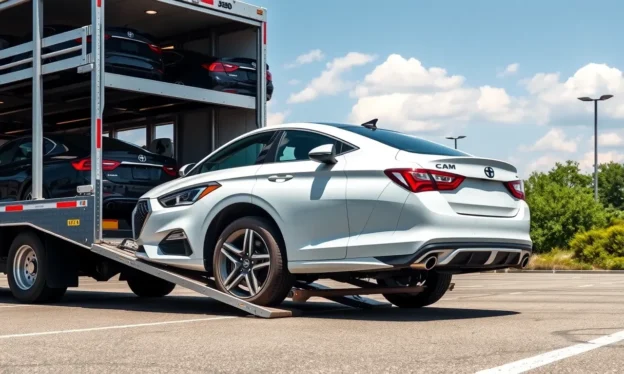
Open carrier transport is the most common and affordable method for shipping cars. Vehicles are loaded onto open trailers, which can carry multiple cars at once. While this method exposes vehicles to weather conditions and road debris, it remains a popular choice due to its cost-effectiveness.

2. Enclosed Carrier Transport

For those seeking extra protection for their vehicles, enclosed carrier transport is the ideal option. Cars are transported in covered trailers, shielding them from weather conditions, dirt, and road debris. This service is particularly suited for luxury, classic, or high-value vehicles.

3. Door-to-Door Transport

Door-to-door transport offers maximum convenience by picking up your vehicle from your specified location and delivering it directly to your new address. This service eliminates the need to drop off or pick up the vehicle at a terminal, saving you time and hassle.

4. Terminal-to-Terminal Transport

In terminal-to-terminal transport, vehicles are dropped off and picked up at designated terminals. This option is generally more affordable than door-to-door service but requires additional effort from the owner to transport the car to and from the terminals.

Preparing Your Car for Cross Country Transport

Proper preparation is key to ensuring a smooth and safe transport process. Here are some essential steps to prepare your car for shipping:

  1. Clean Your VehicleA clean car allows for a thorough inspection and accurate documentation of its condition before transport. Washing and detailing your car also helps protect the paint and finish during transit.
  2. Document the ConditionTake detailed photos of your vehicle from multiple angles, both exterior and interior. Note any existing damage, scratches, or imperfections. This documentation will be essential for insurance claims if any new damage occurs during shipping.
  3. Remove Personal ItemsRemove all personal items and valuables from the car to prevent loss or damage. Transport insurance typically does not cover personal belongings left in the vehicle.
  4. Check for Leaks and Mechanical IssuesEnsure your car is in good working condition and free of leaks to avoid complications during transport. Address any mechanical issues before shipping.
  5. Disable Alarms and Toll TagsDisable any alarms to prevent them from going off during transport, and remove toll tags to avoid unnecessary charges and disruptions.

Choosing the Right Cross Country Auto Transport Service

Selecting the right transport service is crucial to ensuring the safe and secure transport of your car. Here are some factors to consider:

1. Reputation and Reviews

Research the reputation of the transport company by checking reviews and ratings on platforms like the Better Business Bureau, Trustpilot, and Google Reviews. Positive feedback and high ratings often indicate reliable service.

2. Experience and Expertise

Choose a company with a proven track record of handling cross country auto transport. Experienced companies understand the specific needs and challenges of transporting vehicles over long distances.

3. Insurance Coverage

Ensure the company offers comprehensive insurance coverage that adequately protects your vehicle during transit. Verify the details of the insurance policy and confirm that it aligns with your needs.

4. Transport Options

Opt for the transport option that best suits your needs, whether it’s open or enclosed transport, door-to-door service, or terminal-to-terminal shipping.

5. Customer Service

Good customer service is essential for a smooth transport experience. Choose a company that is responsive, transparent, and willing to answer all your questions. Reliable customer support can make a significant difference in case of any issues during transport.

Conclusion

Transporting your car across the country involves careful planning and choosing the right service provider. By understanding the benefits, preparing your vehicle properly, and selecting the best transport option for your needs, you can ensure a smooth, safe, and stress-free experience.

At Co-Transport, we specialize in providing reliable and efficient cross country auto transport services. For more information or to request a quote, please contact us. We look forward to serving you and ensuring your vehicle reaches its destination safely and on time.


How to transport cake in car long distance

Transporting a cake over a long distance can be a daunting task, especially if you’re concerned about maintaining its pristine condition. Whether you are delivering a wedding cake, a birthday cake, or any other dessert, ensuring its safe arrival requires meticulous planning and execution. This comprehensive guide will help you master the art of cake transportation during a long-distance car journey, covering key aspects such as cake stability, packing techniques, temperature control, and other crucial considerations.

Cake Stability

Ensuring cake stability is paramount when transporting a cake. A stable cake will withstand the rigors of a long car journey, including road bumps and sharp turns.

  • Use a Sturdy Base: Ensure your cake is on a strong, flat board that is slightly larger than the cake itself. This provides a stable foundation and prevents any movement.
  • Doweling: For tiered cakes, use dowels or straws to support each layer. This internal support structure is crucial for maintaining the integrity of the cake.

Packing Techniques

Proper packing techniques are essential to protect the cake during the journey.

  • Cake Carrier: Invest in a high-quality cake carrier that fits the size of your cake. A carrier with a locking lid will help keep the cake secure and protected from environmental factors.
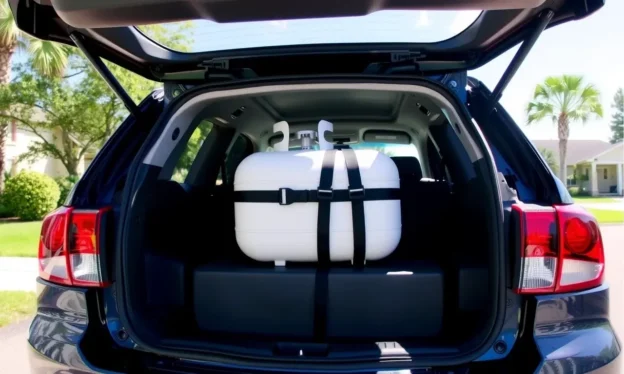
  • Secure Placement: Place the cake carrier on a flat surface in the vehicle, such as the trunk or a footwell, where it is less likely to shift during transit.
  • Additional Padding: Use non-slip mats or towels under the cake carrier to provide extra cushioning against road bumps.

Temperature Control

Maintaining the correct temperature is vital to prevent the cake from melting or its icing from becoming too soft.

  • Pre-Chill the Cake: Refrigerate the cake before transportation to ensure it is firm and less susceptible to temperature changes.
  • Temperature-Controlled Vehicle: If possible, use a vehicle with air conditioning to maintain a cool environment inside the car.
  • Monitor Temperature: Use a portable thermometer to keep track of the cake’s temperature throughout the journey.

Vehicle Adjustments

Make necessary adjustments to your vehicle to facilitate a smooth cake delivery.

  • Avoid Sharp Turns: Plan your route to avoid abrupt stops and sharp turns that could destabilize the cake.
  • Drive Smoothly: Accelerate and brake gently to minimize jostling.

Icing Protection

Protecting the icing is crucial, especially for cakes with intricate designs or delicate decorations.

  • Crumb Coat: Apply a thin layer of icing to act as a protective barrier, preventing crumbs from mixing with the final layer of frosting.
  • Cover the Cake: If possible, use a cake dome or wrap the cake carrier in cling film to shield the icing from dust and debris.

Food Safety

Ensuring food safety is crucial during dessert delivery over long distances.

  • Avoid Cross-Contamination: Ensure that the cake is transported separately from other items that may cause contamination.
  • Check for Stability: Regularly check the cake’s stability and temperature to ensure it remains safe for consumption;

Travel Preparation

Final preparations before embarking on your journey are essential for a successful cake delivery.

  • Plan Ahead: Prepare all necessary materials and pack the cake the night before to reduce stress on the day of travel.
  • Test Run: If possible, conduct a short test drive with a similar setup to identify any potential issues.

By following these guidelines for cake transportation over long distances, you can ensure that your dessert arrives at its destination intact and in perfect condition. From securing the cake with proper support structures to maintaining temperature control and ensuring food safety, each step is crucial to a successful journey. With careful planning and execution, you can deliver a beautifully crafted cake that is as stunning on arrival as it was when it left your kitchen.

How much does car transporters make

The car transportation industry is a vital component of the broader logistics and transportation services sector․ It involves the movement of vehicles from one location to another, often over significant distances․ This service is essential for various markets, including auto dealerships, individual vehicle owners, and those relocating․ Understanding the salary and earnings of car transporters is crucial for those considering a career in this field․

The Role of Car Transporters

Car transporters, often referred to as delivery drivers or auto transporters, are responsible for the safe and timely transport of vehicles․ They operate specialized trucks designed to carry multiple vehicles at once․ Their duties include loading and unloading vehicles, ensuring secure transportation, and adhering to all transportation regulations․

Job Market and Career Opportunities

The job market for car transporters is robust, with numerous opportunities due to the constant demand for vehicle shipping services․ This demand is fueled by the automotive industry’s growth, increased vehicle sales, and the ongoing need for car relocations․

Salary and Compensation

The compensation for car transporters can vary widely based on several factors, including experience, location, and the employer․ However, understanding the general pay scale and industry rates can provide a clearer picture of financial prospects in this career․

Average Earnings

According to industry data, the average annual income for car transporters ranges from $40,000 to $70,000․ However, experienced transporters or those working for large logistics companies may earn more․ The salary is often influenced by the distance traveled, the number of vehicles transported, and the complexity of the logistics involved․

Pay Scale

The pay scale for car transporters typically includes base pay and additional earnings based on mileage or delivery volume․ Many companies offer bonuses or incentives for timely deliveries and maintaining safety standards;

Industry Rates

Industry rates can differ based on geographical location and the specific demands of the local job market․ For instance, transporters in metropolitan areas or regions with high vehicle turnover may command higher wages due to increased demand for their services․

Factors Influencing Income

Several factors can influence the income of car transporters:

  • Experience: More experienced drivers tend to earn higher wages due to their expertise in handling complex logistics and ensuring safe transport․
  • Location: Transporters working in high-demand areas may receive better compensation due to competitive job markets․
  • Employer: Working for a reputable logistics company can offer more stable income and benefits compared to smaller or independent operations․
  • Freight Type: The type of vehicles transported (e․g․, luxury cars, commercial vehicles) can also impact earnings․

Wages and Financial Prospects

For those considering a career as a car transporter, the financial prospects are promising․ The transportation services industry is expected to grow, providing ample job opportunities and potential for wage increases․ As the demand for auto transport continues to rise, so too does the potential for increased earnings․

In summary, car transporters play a critical role in the logistics sector, with their earnings reflecting the importance of their work․ While the salary can vary based on several factors, the overall job market for car transporters is promising․ With the right experience and positioning within the industry, car transporters can enjoy lucrative and stable careers․

How does f1 cars get transported

In the high-stakes world of motorsport, the logistics of transporting Formula 1 race cars and equipment is a colossal task that requires meticulous planning and execution. With races spanning the globe, the efficient movement of cars and equipment between international circuits is crucial for the success of any Formula 1 team.

The Logistics of Formula 1

The logistics for transporting F1 cars involves a complex network of transportation modes, including air freight, sea freight, and land transport. Specialized logistics companies are often employed to ensure that every component arrives on time and intact.

Air Freight

Air freight is the preferred method for transporting F1 cars and equipment to far-flung locations quickly. Teams charter cargo planes to carry the cars, which are often stripped down for transport, alongside crucial equipment like spare parts and tools. This method is essential for adhering to the tight racing calendar and ensures that the cars arrive in time for trackside preparation.

Sea Freight and Land Transport

When the logistics allow for it, sea freight is utilized to transport bulkier items, such as motorhomes and hospitality units. These are loaded into containers and shipped well in advance. Land transport is used primarily for races within Europe, where teams can use specially designed trucks to move cars and equipment directly to paddocks.

Team Operations and Pit Crew

Once the cars and equipment reach their destination, the focus shifts to team operations. The pit crew and engineers work tirelessly to set up in the paddock and prepare the cars for the race. This includes assembling the cars, conducting technical checks, and running simulations to ensure everything is in peak condition.

Travel Schedule and Coordination

The coordination of the travel schedule is critical, as F1 teams operate on a tight timeline. The logistics team must account for customs clearance, transport duration, and the setup time required at each circuit. The intercontinental nature of the sport means that there is little room for error, and any delay can have significant consequences.

The Role of Logistics Companies

Specialized logistics companies play a significant role in the successful transportation of F1 cars. They not only provide the necessary transportation services but also handle all the intricate details, such as documentation, insurance, and regulatory compliance.

Equipment and Supplies

Apart from the cars themselves, a wide array of equipment and supplies must also be transported. This includes garage setups, communication gear, and even the team’s catering supplies. Each team has its own unique requirements, which the logistics provider must accommodate.

The transportation of Formula 1 cars is a feat of logistical prowess, combining various modes of transportation and the expertise of seasoned professionals. The synergy between logistics companies, team operations, and the pit crew ensures that each race goes off without a hitch, allowing fans worldwide to enjoy the thrill of Formula 1 racing.

Is transportation services a good career path

The transportation industry is a vital component of the global economy, facilitating the movement of goods and people across vast distances․ With the rise of logistics and the increasing interconnectedness of global markets, the demand for efficient transportation services continues to grow․ This article explores whether a career in transportation services is a worthwhile pursuit, examining various facets such as employment opportunities, industry growth, necessary skills, and potential benefits․

Overview of the Transportation Industry

The transportation sector encompasses a wide range of activities, including road, rail, air, and sea transport․ It plays a critical role in ensuring that goods and services reach consumers in a timely manner․ This sector is not only about moving things from one place to another but also involves complex logistics and supply chain management․

Employment Opportunities and Growth

The transportation industry offers a plethora of jobs that cater to various skill levels and interests․ From truck drivers and airline pilots to logistics managers and supply chain analysts, the sector provides diverse employment opportunities․ According to recent studies, the transportation industry is expected to experience significant growth in the coming years, driven by the increasing demand for goods and services globally․

Skills Required in the Transportation Sector

To succeed in transportation services, individuals need a mix of technical and soft skills․ Technical skills might include proficiency in logistics software, an understanding of supply chain dynamics, and the ability to operate transportation equipment․ Soft skills such as problem-solving, communication, and adaptability are equally important as the industry often requires quick thinking and effective collaboration․

Job Stability and Advancement

A career in transportation services can offer significant stability due to the ongoing need for transportation across all sectors of the economy․ Moreover, there are ample advancement opportunities for individuals who demonstrate competence and leadership potential․ For instance, a truck driver might advance to a fleet manager position, or a logistics coordinator could become a supply chain director․

Salary and Benefits

Salaries in the transportation industry can be competitive, with variations based on role, experience, and location․ Many positions also offer additional benefits such as health insurance, retirement plans, and performance bonuses․ This makes the sector attractive for those seeking not only a regular paycheck but also comprehensive compensation packages․

Challenges in the Transportation Industry

Despite its advantages, the transportation sector is not without its challenges․ Issues such as regulatory compliance, environmental concerns, and fluctuating fuel prices can impact operations․ Additionally, the industry faces a shortage of skilled workers, which can put pressure on existing employees․

Innovation and Sustainability

The transportation industry is undergoing a transformation driven by technology and a focus on sustainability․ Innovations such as electric vehicles, autonomous transport, and smart logistics systems are reshaping the landscape․ Companies are investing in sustainable practices to reduce carbon footprints and comply with environmental regulations, opening new avenues for career development in green logistics and sustainable transport solutions․

The Role of Technology

Technology plays a pivotal role in optimizing transportation networks․ From GPS tracking and route optimization to automated warehousing and blockchain in logistics, technology increases efficiency and transparency․ Professionals in the transportation sector need to stay abreast of technological advancements to remain competitive in the job market․

In conclusion, pursuing a career in transportation services can be a rewarding choice, offering a wide range of opportunities for growth, stability, and innovation․ While the industry presents certain challenges, it also provides avenues for individuals to make a significant impact through the adoption of new technologies and sustainable practices․ As the world continues to evolve, the transportation sector will remain a cornerstone of economic activity, ensuring that a career in this field remains a viable and attractive option․

For those interested in a dynamic and continually evolving career path, transportation services stand out as a promising field with numerous employment opportunities and the potential for long-term advancement․

How to transport fish in car

Transporting fish from one location to another can be a daunting task for aquarium enthusiasts. Ensuring the safety and health of your aquatic pets during transit requires careful planning and execution. This article will guide you through essential steps for transporting fish in a car while maintaining optimal water quality and reducing stress.

Preparation for Transportation

Before embarking on your journey, it’s crucial to prepare adequately to ensure the well-being of your fish. Here are some steps to consider:

Choose a Secure Container

  • Opt for a portable tank or sturdy containers like a bucket with a lid to prevent spills.
  • For small fish, consider using fish bags that are designed for transportation purposes.
  • Ensure the container is clean and free of any harmful residues or chemicals.

Maintain Water Quality

  • Use water from the fish’s current fish tank to fill the transportation container.
  • Monitor the water quality by checking the pH levels and removing any debris.

Control Temperature

  • Maintain a stable temperature by using an appropriate temperature control method, such as a portable heater or cooler packs.
  • Avoid exposing the fish to direct sunlight or extreme temperatures during transit.

Ensure Oxygen Supply

  • Include an air pump if possible to provide adequate oxygen supply, especially for long journeys.
  • Leave enough air space in the container for gas exchange if using fish bags.

Transportation Tips

Once you’re ready to transport your fish, consider the following travel tips:

Reduce Stress

  • Minimize movement by securing the container with protective padding to avoid sudden jolts;
  • Keep the environment dark by covering the container with a towel to reduce stress.

Ensure Vehicle Stability

  • Place the container in a stable position in your vehicle to prevent tipping or sliding during transit.
  • Drive carefully and avoid abrupt stops to maintain vehicle stability.

Manage Journey Duration

  • Plan your route to minimize journey duration and avoid unnecessary detours.
  • Take breaks if needed, ensuring the fish are safe and undisturbed.

Use a Filtration System

  • Consider a portable filtration system for long-distance travel to maintain clean water and reduce ammonia build-up.

Acclimation Process

Upon reaching your destination, it is important to acclimate your fish to their new environment:

Gradual Acclimation

  • Gradually mix small amounts of the new tank water with the transportation water over several hours.
  • This slow process helps the fish adjust to changes in water parameters, reducing stress.

Monitor Fish Health

  • Observe your fish closely for signs of stress or illness, such as erratic swimming or discoloration.
  • Ensure they are eating and behaving normally after being introduced to the new environment.

Final Tank Setup

  • Once acclimated, transfer the fish to their new aquarium or fish tank using a net to minimize stress.
  • Ensure the tank is fully set up with the appropriate equipment, such as heaters and filters.

Alternative Methods for Transport

If you’re unable to use the primary method, consider these alternatives:

Bucket Method

  • Utilize a clean, lidded bucket and fill it with water from the existing tank.
  • Secure it with padding to prevent spills and reduce movement.

Fish Bags

  • Place fish in specially designed fish bags filled with tank water and ensure they are sealed tightly.
  • Provide ample air space in the bags for oxygen exchange during the trip.

Transporting fish in a car requires careful planning, attention to detail, and consideration of the fish’s health. By following these guidelines on container selection, water quality maintenance, temperature control, and stress reduction, you can ensure a safe journey for your aquatic companions. Remember to acclimate them properly at the destination to maintain their well-being and overall health.

How to transport bike in car

Transporting a bicycle in a car requires careful consideration of various factors including vehicle compatibility‚ secure fastenings‚ and transportation options. Whether you’re an avid cyclist or just enjoy the occasional ride‚ finding the best way to transport your bike safely and efficiently is crucial. This article will cover the different methods and tips for transporting your bicycle using different types of car racks‚ disassembly techniques‚ and safety precautions.

Types of Car Racks for Bicycle Transport

There are several bicycle transport options available when it comes to car racks. Each type has its own advantages and suitable use cases depending on your vehicle and personal preferences.

Trunk Mount Bike Carrier

A trunk mount bike carrier is a popular choice for its affordability and ease of installation. It attaches to the back of the car using straps and hooks. Trunk mounts are ideal for sedans and hatchbacks.

  • Pros: Cost-effective‚ easy to install‚ and does not require additional equipment.
  • Cons: Limited access to the trunk and potential for scratches without protective padding.

Roof Rack

A roof rack is perfect for vehicles with existing roof rails or crossbars. This bike carrier allows for multiple bikes to be transported without obstructing rear visibility.

  • Pros: More interior space available‚ no obstruction of rear view‚ and can carry multiple bikes.
  • Cons: Requires lifting the bike overhead‚ can increase wind resistance and reduce fuel efficiency.

Hitch Mount

Hitch mounts are suitable for vehicles equipped with a trailer hitch. They offer stability and ease of loading‚ ideal for frequent travelers and families.

  • Pros: Easy loading techniques‚ secure fastenings‚ and can carry multiple bikes.
  • Cons: More expensive‚ requires a hitch installation‚ and may block rear access.

Interior Storage

If you own a folding bike or have sufficient interior space‚ storing the bike inside the vehicle can be an option. This method protects the bike from external elements and theft.

  • Pros: No need for additional equipment‚ protects from weather and theft.
  • Cons: Reduces available interior space‚ requires wheel removal and disassembly.

Preparing Your Bike for Transport

Proper preparation is essential to ensure your bike is transported safely and securely. Here are some travel preparation and packing tips:

  • Disassembly: Consider removing the front wheel or pedals to make the bike more compact for storage or loading onto a rack.
  • Protective Padding: Use padding or old towels to protect the bike frame and car paint from scratches.
  • Secure Fastenings: Ensure all straps‚ clamps‚ and locks are tightened to prevent movement during transit.

Loading Techniques and Safety Precautions

Loading your bike correctly and adhering to safety precautions can prevent accidents and damage to your vehicle or bike.

  • Loading Techniques: Follow the manufacturer’s instructions for your specific bike carrier. Lift with care and avoid exerting too much pressure on any single part of the bike.
  • Safety Precautions: Always double-check that the bike is securely fastened before driving. Make sure the bike does not obstruct any vehicle lights or license plates.
  • Vehicle Compatibility: Verify that your chosen bike carrier is compatible with your vehicle’s make and model to ensure proper fit and safety.

Transporting a bicycle by car can be a straightforward process with the right equipment and preparation. Whether you choose a trunk mount‚ roof rack‚ hitch mount‚ or interior storage‚ each method has its own benefits and considerations. Always prioritize secure fastenings and safety precautions to ensure a smooth and enjoyable journey with your bike. With these tips and techniques‚ you can confidently explore new cycling destinations and enjoy the freedom of riding wherever your travels take you.

How to transport a fish in the car

Transporting a fish in a car requires meticulous planning and attention to detail to ensure the safety and well-being of your aquatic pet. Whether you’re moving to a new home or taking your fish to a different aquarium, proper preparation is key. This article will guide you through the steps necessary to transport your fish safely and effectively.

Preparing for the Journey

Before embarking on the journey, it’s crucial to prepare adequately. This involves considering the fish species, travel duration, and the environmental conditions during the trip.

Choosing the Right Travel Container

  • Fish Bag: A specialized fish bag is often the best choice for transporting small to medium-sized fish. Make sure it is filled with one-third water and two-thirds air to provide sufficient oxygen supply.
  • Travel Container: For larger fish or longer journeys, a sturdy travel container or a small fish tank can be used. Ensure it has a secure lid to prevent spills and escapes.

Maintaining Water Quality

  • Water Transport: Use water from the fish’s original aquarium to maintain consistent water quality. This helps reduce stress and prevent shock.
  • Filtration System: A portable filtration system can be employed to keep the water clean during long trips.

Temperature Control

Fish are sensitive to temperature changes, so maintaining a stable environment is essential.

  • Temperature Control: Use a thermometer to monitor the water temperature. If necessary, employ portable heaters or coolers to maintain optimal conditions.

During the Journey

Once everything is set, focus on the journey to minimize stress for your fish.

Vehicle Stability

  • Secure Placement: Place the travel container in a stable position in your vehicle to minimize movement. Consider using cushioning materials to absorb shocks and vibrations.
  • Vehicle Stability: Drive smoothly, avoiding sudden stops, starts, or sharp turns that could unsettle the fish.

Ensuring Oxygen Supply

  • Portable Pump: Use a portable air pump to ensure an adequate oxygen supply during long journeys.

Stress Reduction

  • Stress Reduction: Keep the travel container covered with a cloth to reduce light and visual stimuli, thus helping to calm the fish.

Upon Arrival

Once you reach your destination, it’s important to acclimate the fish to their new environment carefully.

Acclimation

  • Acclimation: Gradually introduce the fish to the new aquarium water to prevent shock. This can be done by slowly mixing the new water with the transport water over a period of time.

Final Placement

  • Secure Lid: Once the fish is acclimated and placed in the aquarium, ensure the lid is secure to prevent any escapes.

Transporting a fish in the car can be a smooth process if you carefully follow the steps outlined. From selecting the right travel container to ensuring proper temperature control and oxygen supply, each detail plays a critical role in the successful relocation of your fish. Remember to drive cautiously and minimize stress for your aquatic friend, ensuring they arrive safely and comfortably at their new home.

How to transport your car

Transporting a vehicle, whether it’s a car, truck, or motorcycle, can be a daunting task. Whether you’re moving cross-country or internationally, understanding the nuances of vehicle shipping is crucial to ensure a smooth transition. This guide will walk you through the essentials of auto transport, including options, costs, and logistics.

Understanding the Basics of Vehicle Shipping

Vehicle shipping involves the relocation of a vehicle from one place to another using a transport truck. This process is typically handled by a transport company specializing in freight services. There are various methods available, each catering to different needs and budgets.

Types of Auto Transport

  • Open Transport: The most common and economical method, where vehicles are transported on an open-air car carrier.
  • Enclosed Transport: Offers additional vehicle protection from weather and road debris, ideal for luxury or antique cars.
  • Door-to-Door Service: A convenient option where the car hauler picks up and delivers the vehicle directly to specified locations.

Key Considerations for Vehicle Relocation

Shipping Costs

The shipping costs can vary significantly based on factors like distance, vehicle type, and transport method. Cross-country transport will generally cost more than regional moves, and international shipping may add customs and port fees.

Insurance Coverage

Ensure that the transport company provides adequate insurance coverage for potential damages during transit. Review the policy details and consider purchasing additional coverage if needed.

Delivery Time

Delivery time can be influenced by the route, weather conditions, and logistics. Confirm the estimated delivery window with your transport provider to plan accordingly.

Choosing the Right Transport Company

Selecting a reliable transport company is pivotal for a hassle-free shipping experience. Consider these tips:

  • Research and compare multiple companies.
  • Check customer reviews and ratings.
  • Verify their licensing and insurance credentials.

The Booking Process

The booking process typically involves the following steps:

  1. Request Quotes: Provide details about your vehicle and shipping needs to receive estimates from different companies.
  2. Choose a Provider: Compare quotes, services, and customer feedback to select a transport company.
  3. Schedule Pickup and Delivery: Arrange for the pickup and delivery of your vehicle at convenient times and locations.
  4. Prepare Your Vehicle: Clean your car, remove personal items, and document its condition with photos.

International Shipping

For international shipping, additional steps such as customs clearance and documentation are necessary. It’s essential to work with a transport company experienced in international logistics to navigate these complexities.

Vehicle Protection Measures

Ensuring your vehicle’s safety during transit is as important as the move itself. Here are some protection measures:

  • Opt for enclosed transport if transporting a high-value vehicle.
  • Use a reputable company with a proven track record of safe deliveries.
  • Ensure the vehicle is well-secured on the car carrier.

By understanding these key aspects of vehicle shipping, you can make informed decisions that best suit your needs and budget. Whether opting for open or enclosed transport, ensuring proper insurance coverage, or coordinating international logistics, careful planning is essential for a successful vehicle relocation.

How do they transport formula 1 cars

Transporting Formula 1 cars from one location to another is a complex and meticulously planned logistical operation. Given the global nature of the sport, teams must ensure that their racecars and equipment arrive at each venue on time and in perfect condition. This article delves into the logistics involved in transporting Formula 1 cars, covering aspects such as freight, air transport, shipping containers, and more.

The Importance of Logistics in Formula 1

Logistics is the backbone of Formula 1, ensuring that all aspects of the race team are where they need to be, when they need to be there. With races occurring across different continents, the efficient movement of cars, equipment, and personnel is critical. The logistics team must coordinate everything, from the disassembly and reassembly of racecars, to the transportation of spare parts and tools.

Air Transport: The Fastest Mode

For time-sensitive transportation, air transport is the preferred method. Cargo planes are used to move Formula 1 cars and equipment quickly between international destinations. Air transport is crucial for races that are scheduled close together, as it allows teams to minimize downtime and maximize preparation time for the next event.

Using Cargo Planes

Formula 1 teams often charter dedicated cargo planes for transportation. These planes are specially equipped to handle the unique requirements of transporting racecars and associated gear. The planes are designed to accommodate the size and weight of shipping containers that house the disassembled cars and equipment. This method ensures a high level of safety and efficiency.

Disassembly and Reassembly

Before loading onto cargo planes, racecars are carefully disassembled. This process involves removing components such as wings, wheels, and the engine to fit into standardized shipping containers. Once the cars and equipment arrive at their destination, the pit crew is responsible for reassembling the cars, ensuring they meet the precise specifications required for racing.

Sea Freight: Cost-Effective Shipping

While air transport is fast, it’s also expensive. For less time-sensitive items, or when races are scheduled further apart, sea freight offers a more cost-effective solution. Large containers are loaded onto ships, which then traverse the oceans to reach their destination. This method requires careful planning to ensure that all items arrive well in advance of the race weekend.

Shipping Containers

Formula 1 teams use specialized shipping containers to transport their cars and equipment. These containers are designed to withstand the rigors of international travel, protecting the contents from damage. The use of standardized containers also facilitates customs clearance, as they can be easily inspected and processed by customs officials.

Customs Clearance

Customs clearance is a critical aspect of international logistics. Each country has its own regulations regarding the import and export of goods, and Formula 1 teams must navigate these to ensure their equipment passes through customs smoothly. This process involves meticulous documentation and often requires coordination with local customs agents to expedite the process.

Safety and Efficiency

Safety is paramount in the transportation of Formula 1 cars and equipment. Every item must be securely packaged and handled with care to prevent damage. Teams employ specialized packaging materials and techniques to protect their valuable assets during transit. Efficiency is also key, as any delays can impact a team’s preparation and performance at the race.

Pit Crew and Transportation

The pit crew plays a vital role in the logistics of Formula 1. They are responsible for the quick and accurate assembly of cars once they arrive at the track. Their expertise ensures that the cars are ready to compete at the highest level, often under tight deadlines.

Time-Sensitive Deliveries

In the world of Formula 1, time is of the essence. Races are scheduled tightly, and any delay in transportation can have significant consequences. Teams must plan their logistics down to the minute, ensuring that all elements of the race operation are in place and ready to go when needed.

The transportation of Formula 1 cars is a sophisticated operation that combines elements of logistics, freight, air transport, and sea freight. By utilizing advanced techniques and technologies, teams can efficiently and safely move their cars and equipment around the world, ensuring they are always ready for the next motorsport event. The success of these operations is a testament to the skill and dedication of the logistics teams and pit crews who work tirelessly behind the scenes to keep the show on the road.

How to transport a mattress with a car

Transporting a mattress with a car can be a challenging task, but with the right preparation and knowledge, it can be done efficiently and safely. Whether you’re moving to a new home or just needing to transport your mattress to another location, this guide will provide you with comprehensive steps on how to do it properly using your vehicle.

Preparation

Before you begin the process of transporting your mattress, it’s essential to prepare both the mattress and your car. Proper preparation can prevent damage to the mattress and ensure safety during transportation.

Protecting the Mattress

  • Cover: Use a mattress cover or a tarp to protect the mattress from dirt, dust, and potential damage during the move. Ensure that the cover is secure and fits snugly around the mattress.
  • Cushion Corners: To protect the corners of the mattress, consider adding additional padding or cushions. This can prevent wear and tear during movement.

Preparing the Vehicle

Determine the best way to transport the mattress considering the size of your car:

  • Roof Rack: If your car has a roof rack, it can be an ideal place to secure the mattress. Ensure the roof rack is in good condition and can support the load.
  • Backseat or Trunk: If the mattress can fit, the backseat or trunk can be used. Fold or flatten the mattress if necessary to fit it inside the car.

Loading the Mattress

Once your mattress and car are prepared, the next step is loading the mattress onto or into your vehicle. This step requires careful handling to avoid any potential damage or injury.

Steps to Load a Mattress

  1. Lift and Position: With the help of another person, lift the mattress carefully. Ensure you are both positioned to distribute the weight evenly to avoid injury.
  2. Adjust and Fit: Depending on your chosen method of transport (roof rack, backseat, or trunk), adjust the mattress accordingly. If using the backseat or trunk, fold the mattress to fit, if possible.
  3. Secure with Tie-Down Straps: Use strong tie-down straps to secure the mattress. If using a roof rack, wrap the straps over the mattress and tighten them securely. For inside the vehicle, ensure the mattress is tightly fitted and immobile.

Ensuring Safety During Transport

Safety is paramount when transporting a mattress with a car; Improper handling can lead to accidents or damage to the mattress or vehicle.

Safety Tips

  • Check Load Stability: Before driving, double-check that the mattress is secure and stable. The load should not shift or move during transit.
  • Avoid High Speeds: Drive at a moderate speed, especially if the mattress is on the roof rack. High speeds can increase the risk of the mattress becoming unsecured.
  • Regularly Monitor: If you’re traveling a long distance, stop periodically to check the condition and security of the mattress.

Transporting a mattress with a car requires preparation, proper loading, and attention to safety. By following these guidelines, you can ensure that your mattress arrives at its destination without any damage. Remember to always prioritize safety and protect your mattress from potential harm during the journey.